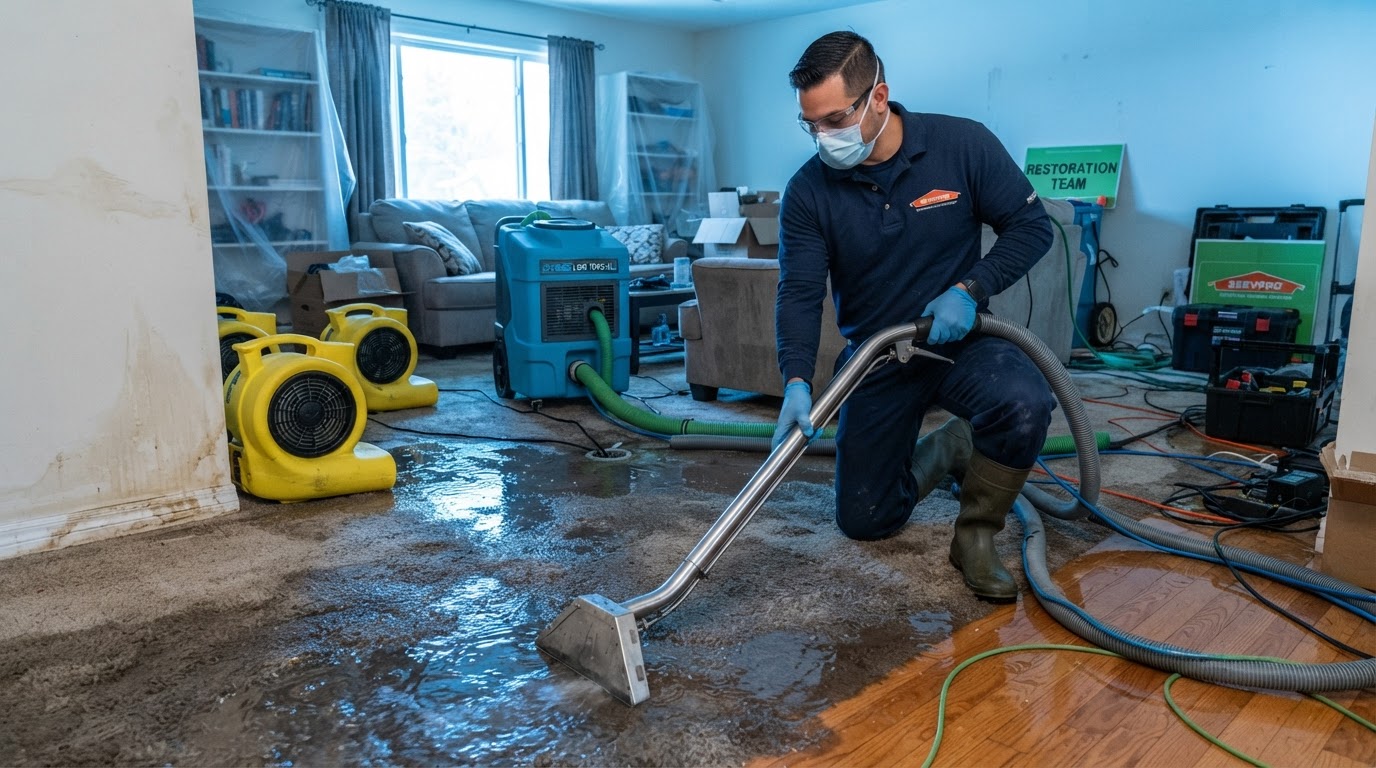
Emergency Water Damage Restoration in Fort Worth, TX
Water spreading through your home or business can become more expensive by the hour. Call for fast water removal, drying, cleanup, and restoration help throughout Fort Worth.
Water Extraction • Structural Drying • Flood Cleanup • Sewage Cleanup • Mold Prevention
Why speed matters
Water Damage Can Spread Faster Than It Looks
The puddle you can see is often only a fraction of the water inside your property. Moisture travels quietly into hidden materials and keeps causing damage long after the surface looks dry.
Water extraction and drying should begin quickly
Every hour that wet materials stay wet, moisture can migrate further into the structure. Fast water removal and professional drying equipment help limit how far the damage spreads and what ultimately needs to be replaced.
- Standing water is removed first
- Hidden moisture is detected with meters
- Drying equipment pulls moisture from materials
- Progress is monitored until drying goals are met
What we do
Water Damage Services in Fort Worth
From emergency water removal through final repairs, these are the core services available to Fort Worth homes and businesses.
Water Damage Restoration
Full water damage restoration from initial inspection through drying and repairs for Fort Worth homes and businesses.
Learn moreWater Extraction
Standing water removal with extraction equipment, moisture detection, and structural drying throughout the property.
Learn moreFlood Damage Restoration
Cleanup and restoration after exterior flooding, storm water intrusion, and interior flooding events.
Learn moreSewage Cleanup
Containment, removal, cleaning, and sanitization after sewer backups and contaminated water intrusion.
Learn moreStorm Damage Restoration
Restoration after severe thunderstorms, heavy rainfall, wind-driven rain, and roof leaks across Fort Worth.
Learn moreWater Damage Repair
Repair of damaged drywall, flooring, cabinets, and structural materials after water damage events.
Learn moreBurst Pipe Damage
Emergency response for burst and frozen pipe water damage, including extraction and structural drying.
Learn moreMold Remediation
Mold remediation tied to prolonged moisture: detection, containment, removal, and drying.
Learn moreCommercial Restoration
Water damage restoration for commercial properties focused on minimizing downtime and disruption.
Learn moreInsurance Documentation
Documentation of damage and restoration work to support your records and insurance claim process.
Learn moreThe process
What Happens After You Call
A clear, step-by-step look at how water damage restoration typically unfolds from your first call through completed work.
Call for help
Reach out so we can understand your situation and begin coordinating a response.
Inspect the affected area
We assess the visible damage and use detection tools to find hidden moisture.
Control the water source
When possible, we help identify and stop or control the source of the water.
Extract standing water
Standing water is removed using extraction equipment.
Set drying equipment
Air movers and dehumidifiers are placed to dry affected materials.
Monitor affected materials
Moisture readings are tracked over time and equipment is adjusted.
Clean and sanitize
When necessary, affected areas are cleaned and sanitized.
Repair damaged areas
Damaged materials such as drywall and flooring can be repaired or replaced.
Document restoration work
The restoration work is documented for your records and claim process.
Water spreading now?
The sooner water is removed and drying begins, the better the chance of limiting secondary damage. Call now for help anywhere in Fort Worth.
Tap to call now — we handle water emergencies throughout Fort Worth.
Local knowledge
Common Causes of Water Damage in Fort Worth
Fort Worth's weather, housing stock, and infrastructure create a distinct set of water damage triggers. Here's what we see across the area.
Severe thunderstorms & heavy rainfall
North Texas storms can dump large amounts of rain in a short window, overwhelming drainage and pushing water into foundations and low-lying areas.
Flash flooding
Heavy rain over hard, dry ground can produce rapid runoff that enters homes and businesses, especially in low-lying or poorly drained spots.
Roof leaks after storms
Wind-driven rain and hail can compromise roofing, allowing water into attics, ceilings, and wall cavities during the next storm.
Plumbing failures
Supply lines, fittings, and fixtures fail inside the home, often releasing water quietly behind walls or under floors for hours before discovery.
Burst & frozen pipes
When winter temperatures drop, exposed or under-insulated pipes can freeze and burst, releasing large volumes of water when they thaw.
Water heater failures
Aging tanks can rust through or leak from fittings, releasing dozens of gallons into garages, closets, and utility rooms.
Appliance leaks
Washing machines, dishwashers, and refrigerators with ice makers are common sources of slow leaks that damage flooring and cabinetry.
Overflowing toilets & sewer backups
Clogs and backups can send contaminated water into living spaces, requiring professional cleanup rather than DIY handling.
HVAC condensation
Clogged drain lines and overflow pans can release steady moisture into ceilings, walls, and around air handlers.
Slab & foundation plumbing
Leaks under slab foundations can go unnoticed until flooring buckles or moisture appears at the surface.
Water extraction
Emergency Water Extraction in Fort Worth
Visible water is only part of the problem. Professional extraction targets both the water you can see and the moisture hidden inside materials.
- Standing water removal with extraction equipment
- Moisture detection inside walls, floors, and cavities
- Air movers to accelerate evaporation from wet materials
- Dehumidification to pull moisture out of the air
- Ongoing monitoring until drying targets are reached
Why visible water is only part of the problem
A wet carpet can feel like the main issue, but water migrates into the padding, subfloor, baseboards, and the drywall behind them. Without detection and drying aimed at those hidden areas, moisture can linger and contribute to secondary damage long after the surface looks dry.
Extraction equipment pulls standing water out quickly, while moisture meters and thermal imaging help locate what the eye can't see. Dehumidifiers then capture the moisture released into the air as materials dry.
Flood damage
Flood Damage Restoration in Fort Worth
Whether storm water entered from outside or flooding originated indoors, the cleanup path is similar: remove water, dry materials, address contamination, and repair.
Exterior & storm water
Rain and runoff entering through doors, foundations, or low openings brings debris and contamination concerns.
Interior flooding
Burst pipes, appliance failures, and overflowing fixtures can flood entire rooms and travel to lower levels.
Damaged flooring
Carpet, padding, hardwood, and laminate often absorb water and may need drying or removal depending on the source.
Wet drywall
Drywall and baseboards wick water upward; affected sections may be dried or removed to access wall cavities.
Contamination concerns
Flood water can carry contaminants. Affected areas are evaluated and cleaned or sanitized accordingly.
Structural drying
After extraction, drying equipment runs until moisture readings return to acceptable levels.
Do not attempt DIY sewage cleanup
Sewage and sewer backups can contain contaminants that pose health concerns. Attempting to clean it yourself can spread contamination to other areas of the property and expose you to harmful pathogens. Keep people and pets away and call for professional help.
Sewage cleanup
Sewage Cleanup in Fort Worth
Sewer backups and contaminated water require a careful, contained approach — not a mop and bucket.
- Containment to limit the spread of contaminants
- Removal of contaminated water and affected materials
- Cleaning of affected surfaces and structures
- Sanitization to help address contamination
- Drying to remove remaining moisture
- Removal and disposal of unsalvageable materials
Mold & moisture
Mold and Water Damage in Fort Worth
Prolonged moisture can create the conditions that allow mold to grow. Addressing water damage quickly and drying thoroughly is the most important step in helping prevent that outcome.
Moisture detection
Hidden moisture is located with meters and thermal imaging so it can be addressed before it contributes to mold growth.
Affected materials
Porous materials that stayed wet may need removal; others can be dried and cleaned in place.
Containment
Work areas can be contained to help limit the spread of mold spores during remediation.
Remediation
Affected materials are removed or cleaned according to the situation.
Drying
Thorough drying helps remove the moisture that mold needs to grow.
Preventing recurrence
Addressing the original moisture source helps reduce the chance of mold returning.
We do not make medical claims about mold or its health effects. If you have health concerns, consult a qualified medical professional.
Burst pipes
Burst Pipe Water Damage in Fort Worth
When a pipe bursts, the first few minutes matter. Here's what to do right away before help arrives.
Shut off water if safe
If you can safely reach the main shutoff, turn off the water supply to stop the flow.
Avoid electrical hazards
Stay out of standing water near outlets, appliances, or the electrical panel.
Move valuables if safe
If you can do so without risk, move furniture and valuables away from the water.
Photograph visible damage
Take photos and video for your records and the insurance claim process.
Call for water extraction
Call for professional water removal and drying as soon as possible.
Begin drying quickly
Fast drying helps limit how far moisture spreads into materials.
Commercial
Commercial Water Damage Restoration in Fort Worth
Water damage in a commercial property isn't just a repair problem — it's an operational problem. The goal is reducing downtime, disruption, and secondary damage.
For commercial properties, the focus is on minimizing downtime, limiting operational disruption, reducing secondary damage, and keeping tenant disruption as low as possible while drying and restoration work proceeds.
Insurance documentation
Water Damage Insurance Documentation
Coverage varies by policy, and we cannot promise what your insurer will cover. What we can do is help document the damage and restoration work for your records and the claim process.
We can help document the damage and restoration work for your records and insurance claim process.
We do not promise insurance coverage. Coverage decisions are made by your insurer based on your specific policy.
Need water removed today?
Call for emergency help. The faster water is extracted and drying begins, the more you can limit the damage.
Tap to call now — we handle water emergencies throughout Fort Worth.
Where we work
Fort Worth Service Area
We serve Fort Worth and the surrounding communities across Tarrant County and North Texas. Explore the neighborhoods we help.
Trust & credentials
What to Look for in a Restoration Company
Legitimate trust signals matter. The items below are placeholders pending verification — we will not publish credentials, certifications, or claims we cannot confirm.
IICRC Certified
Placeholder — confirm certification
Licensed Technicians
Placeholder — confirm licensing
Insurance Accepted
Placeholder — confirm accepted carriers
Locally Owned
Placeholder — confirm local ownership
Years in Business
Placeholder — confirm years
Customer Reviews
Placeholder — add real reviews
Questions & answers
Water Damage FAQ
Straight answers to the questions Fort Worth homeowners and business owners ask most after water damage.
How quickly should water damage be dried?
Drying should begin as soon as possible. The longer materials stay wet, the more damage can spread into drywall, insulation, subfloors, and structural framing. Beginning extraction and drying quickly is one of the most important factors in limiting secondary damage.
What should I do first after discovering water damage?
If it is safe, shut off the water source and avoid any electrical hazards in wet areas. Move valuables out of the affected area if you can do so safely, and photograph the visible damage. Then call for water extraction and drying help right away.
Can water damage cause mold?
Prolonged moisture can create conditions that allow mold to grow. That is why prompt water removal and thorough structural drying matter. We do not make medical claims about mold, but addressing moisture quickly is the best way to help reduce the risk of mold growth.
How long does water extraction take?
It depends on the amount of water, the size of the affected area, and the materials involved. Standing water can often be removed relatively quickly, but complete structural drying typically takes longer as moisture leaves materials and the air.
Does homeowners insurance cover water damage?
Coverage varies by policy and by the source of the water. We cannot promise coverage. We can help document the damage and restoration work for your records and your insurance claim process, but your specific policy determines what is covered.
What happens during structural drying?
After standing water is removed, drying equipment such as air movers and dehumidifiers is placed to pull moisture out of affected materials and the air. The process is monitored and adjusted as moisture readings change over time.
Can wet drywall be saved?
It depends on how wet it is, how long it has been wet, and the type of water involved. Some drywall can be dried in place; other sections may need to be removed and replaced. A thorough moisture inspection helps determine what can be saved.
Should I remove flooded carpet?
Whether carpet can be saved depends on the water source, how long it has been wet, and the condition of the padding and subfloor below. Clean water situations may allow drying in place, while contaminated water usually requires removal and replacement.
What should I do after a sewage backup?
Do not attempt DIY sewage cleanup. Sewage can contain contaminants that pose health concerns. Keep people and pets away from the affected area, avoid spreading water to other parts of the property, and call for professional containment, removal, and sanitization.
Can water damage spread behind walls?
Yes. Water can travel into wall cavities, insulation, and adjacent rooms even when the visible damage looks small. Moisture meters and other detection tools help find hidden moisture that would otherwise be missed during a visual inspection.
How do professionals detect hidden moisture?
Restoration professionals use moisture meters, thermal imaging, and other detection equipment to locate moisture inside wall cavities, under flooring, and within structural materials that may not feel or look wet on the surface.
Can a restoration company help document an insurance claim?
Yes. We can help document the damage and restoration work for your records and the insurance claim process. This may include photographs, moisture readings, affected materials, equipment used, and work performed. Coverage decisions are made by your insurer.
Water Damage Does Not Get Better by Waiting
If water is spreading through your Fort Worth home or business, the first priority is stopping the source when possible, removing standing water, and beginning the drying process.
Serving Fort Worth, Tarrant County, and North Texas · Open 24 Hours